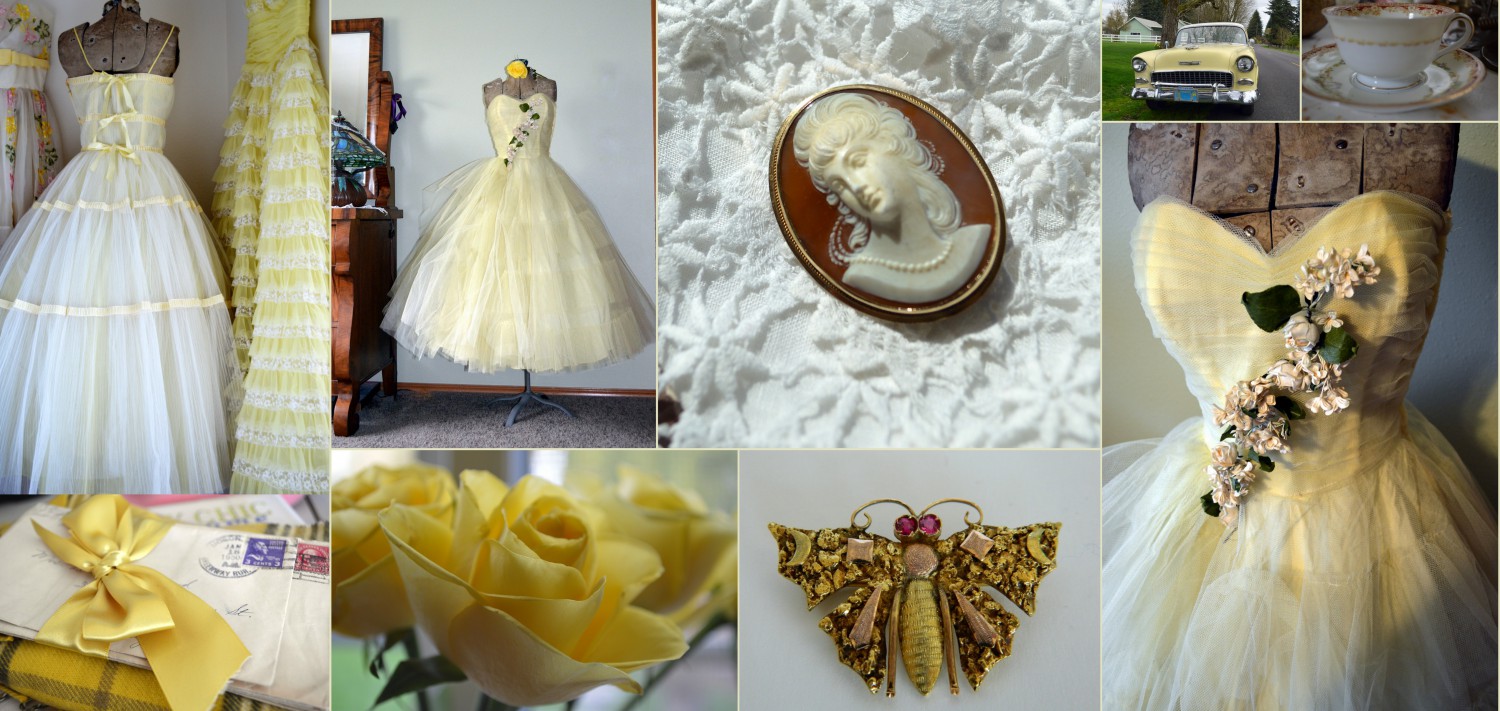
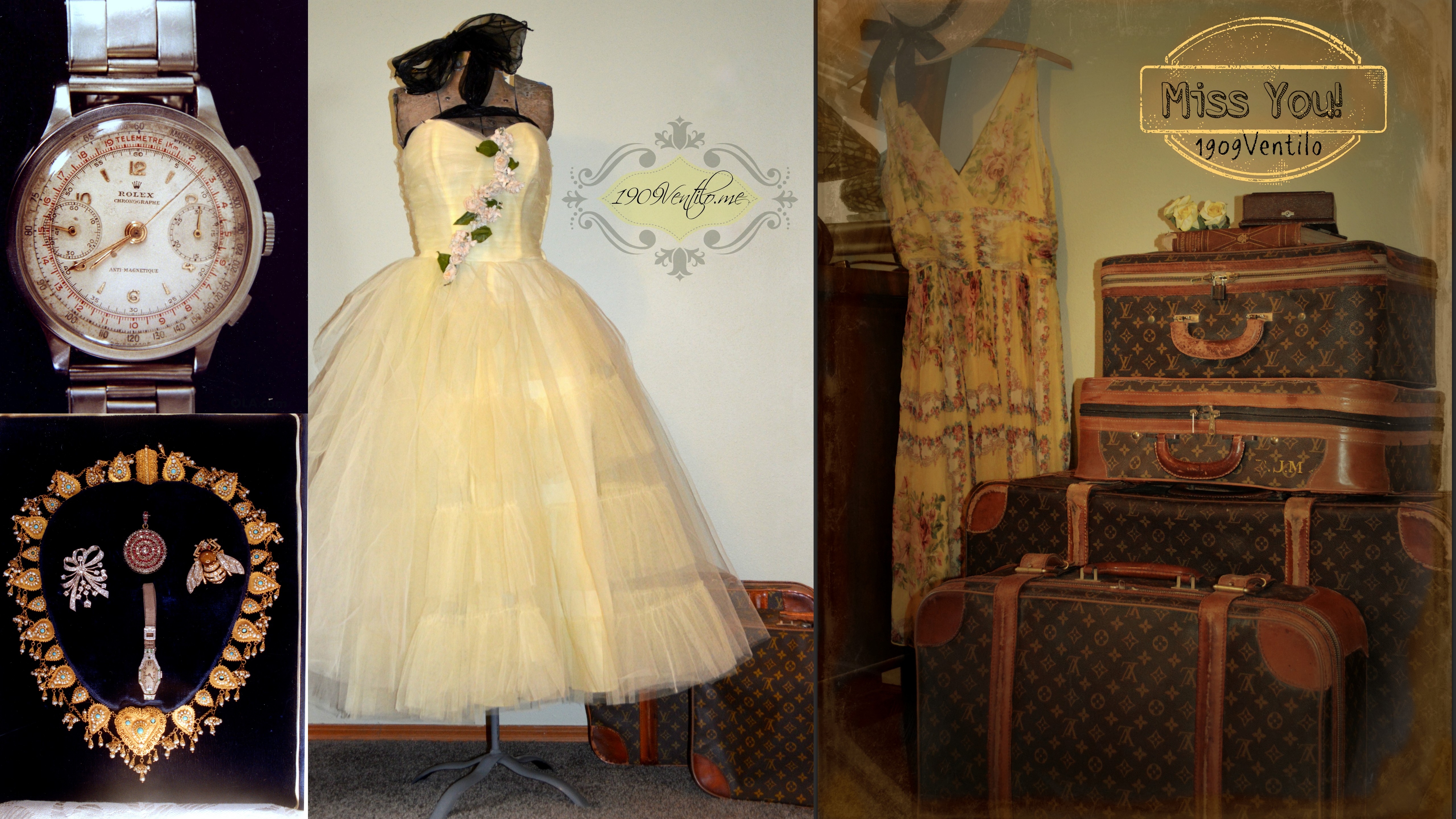
Time to get my store ready for fall! xoxo
Time to get my store ready for fall! xoxo

The auction house described the 18th century ring as a “simple” band decorated with two pear-shaped gems, a blue sapphire and diamond, which face opposite directions. “At the time, Napoleon had very little money,” Osenat’s Jean-Christophe Chataignier explained to the Daily Mail. “The ring is a very ordinary one.” An ordinary ring, save for the fact that the man who gave it to his beloved went on to become the emperor of France. Though their marriage ended in divorce after 14 years, Josephine was said to have cherished the ring and continued to pass it down as a family heirloom.

Stopped by to see Montana at Indulge Antiques
FYI this is my favorite place to go shopping!
1461 Mohawk blvd Springfield Oregon.
Fun vintage, antiques and decorator ideas.
Awesome place for lunch with your girlfriends~!
Have a coffee, drink and just hangout and have a little fun!!! 🙂
Events in the works:
Barn & Field Festival ~ BFF
Marcola, Oregon
Location: 39648 Howard Road
Contact Phone: 541-747-3185
Website: http://www.indulge1461.com/bff-barn–field-festival.html
booths are going fast call to get yours for the October event!
 For years I have had these old plates tonight after all these years I decided to look them up. Chatham Bars Inn, funny I should of known they were from Cape Cod. xoxo
Chatham Bars Inn in Chatham
Chatham Bars Inn is a luxury seaside resort that has been a Cape Cod landmark since 1914. The oceanfront resort is situated on one quarter mile of private Cape Cod Beach. The historic Main Inn offers luxurious guest rooms and private suites. Cottages that have been recently constructed, are nestled throughout the property. Most of the cottages have balconies, decks or terraces with Atlantic Ocean views.
The Inn is near the heart of Chatham on 25 acres overlooking Pleasant Bay and the Atlantic Ocean. turn of the century landmark has an expansive lounge, front veranda and main dining room with panoramic ocean views.
Picturesque Chatham is on the elbow of the Cape, anchored by the historic Chatham lighthouse. The National Trust of Historic Preservation has called Chatham and authentic, old fashioned town…once of the best towns in Cape Cod.
Amenities include spa services, an outdoor heated pool, tennis and croquet courts and a guest library.
Chatham Bars Inn, 297 Shore Road, Chatham, MA 02633. 1-800-527-4884.
source.http://voices.yahoo.com/historic-hotels-cape-cod-massachusetts-1996065.html?cat=37

“There’s a land that is fairer than day, and by faith we can see it afar; for the Father waits over the way to prepare us a dwelling place there. In the sweet by and by, we shall meet on that beautiful shore.” (Sanford F. Bennett, 1868) 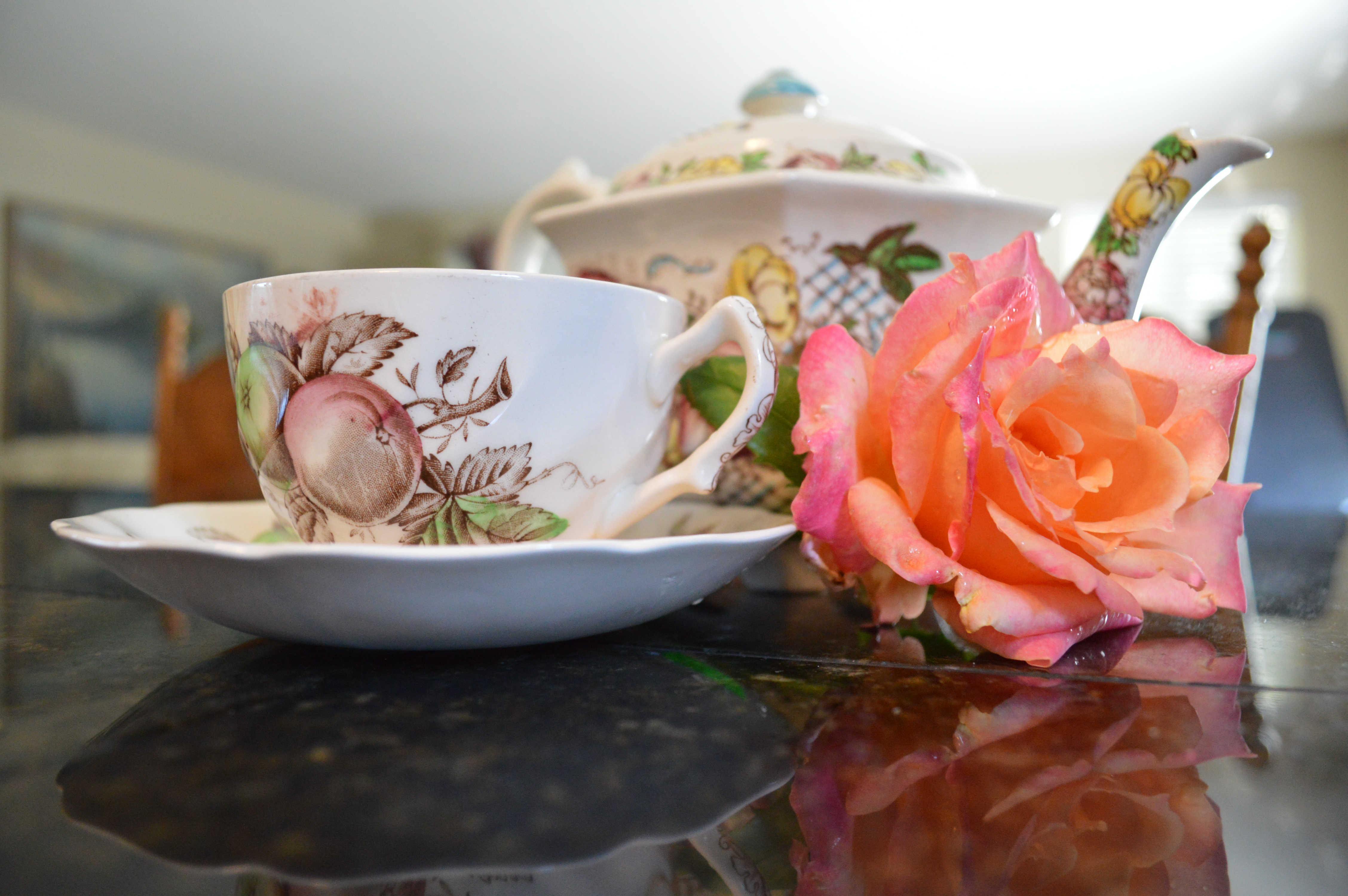
* Thinking of this song this morning.

I found this in an old book.
Dear Maurita:
I wish I were a baggage tag with nothing else to do,
but dangle on a steamer trunk and tag along with you.
Oct 27 1931 Vancouver Lord selkirk school.
Love this original pen drawing!!

Historic gold nuggets mined by some of the first settlers in the remote California-Oregon border area were stolen from the Siskiyou County Courthouse, robbing the region of a valuable part of its Gold Rush history.
*note the “shoe nugget” found near the Scott River in 1913 and purchased by the City for $550.
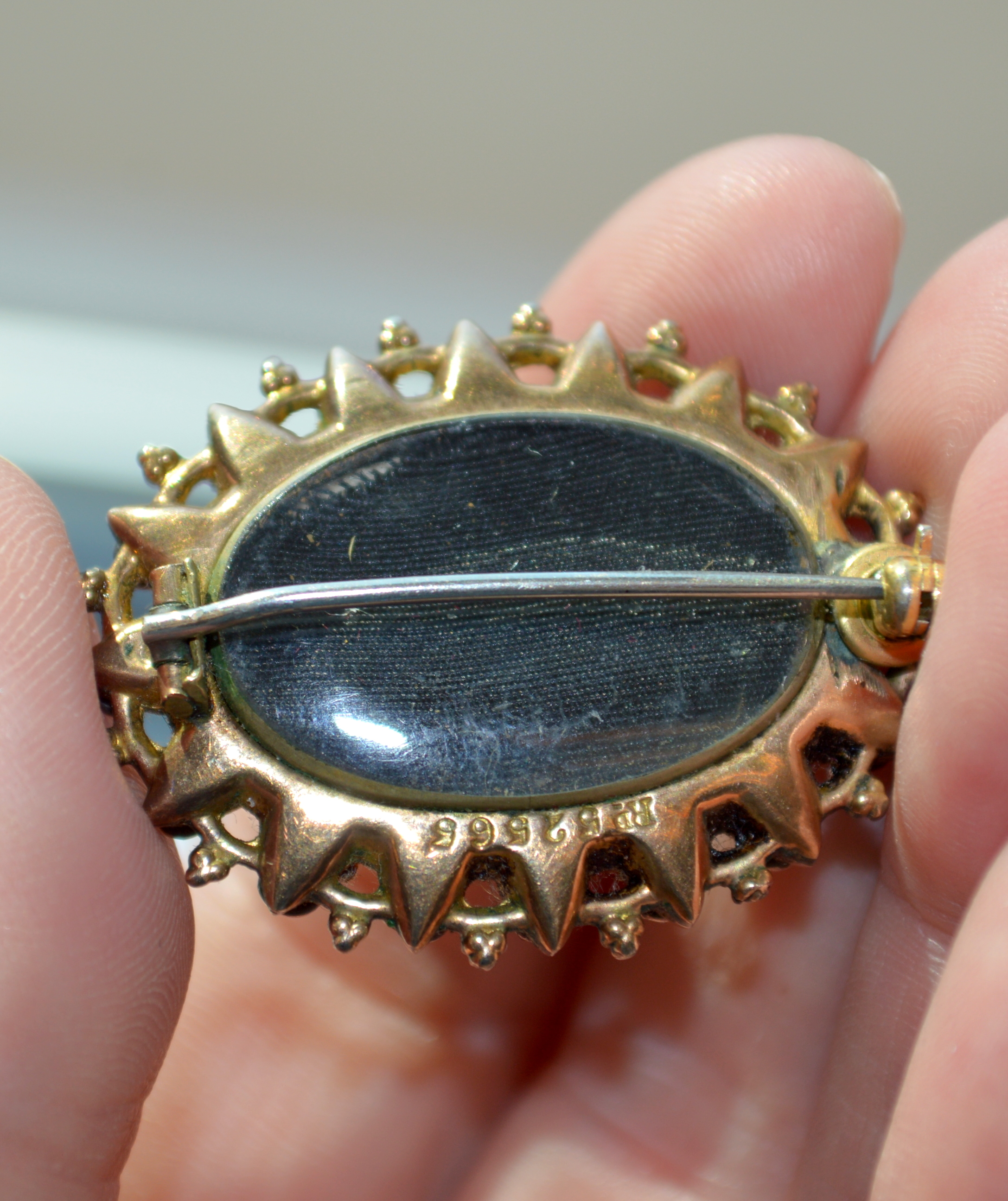
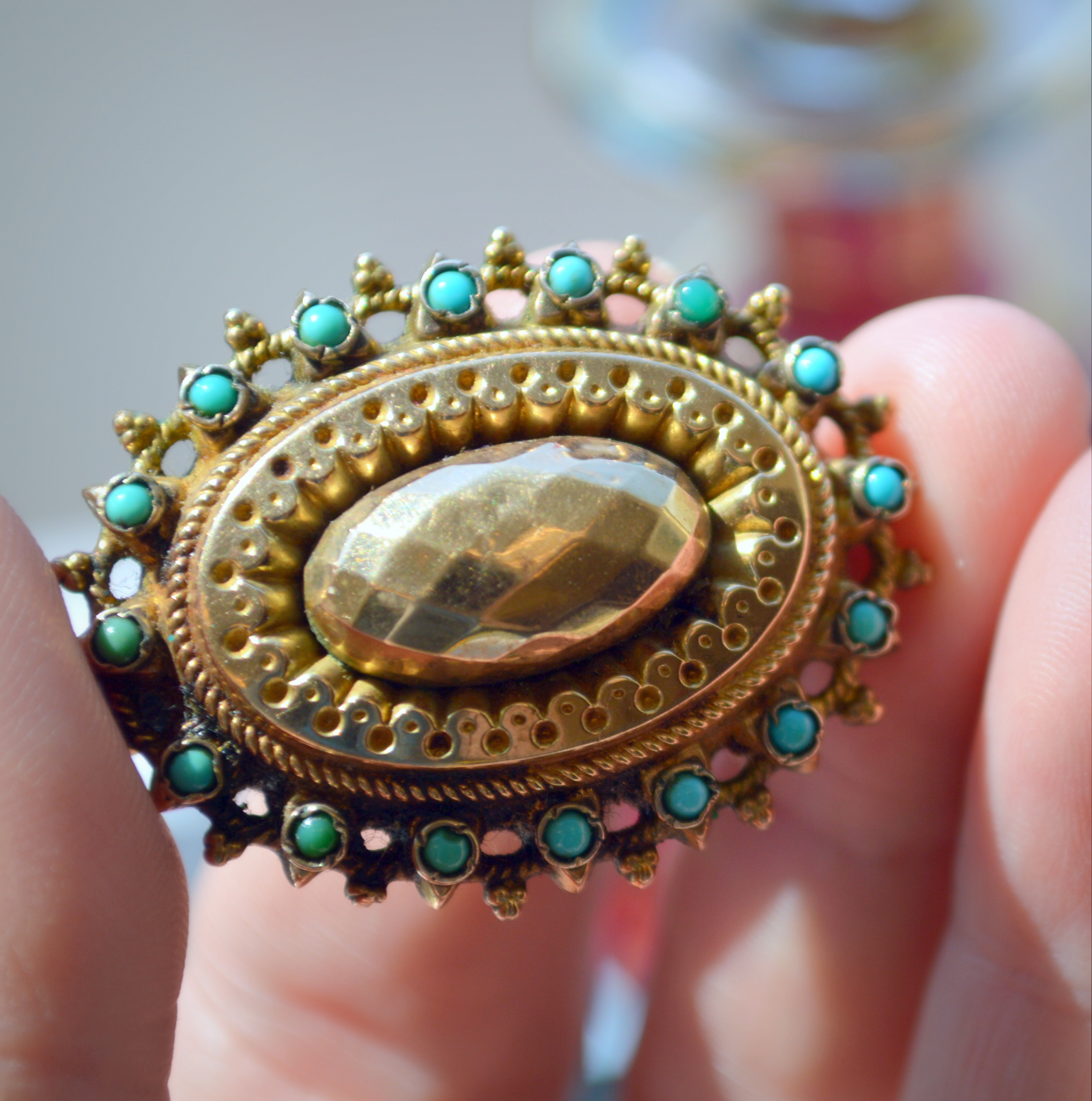
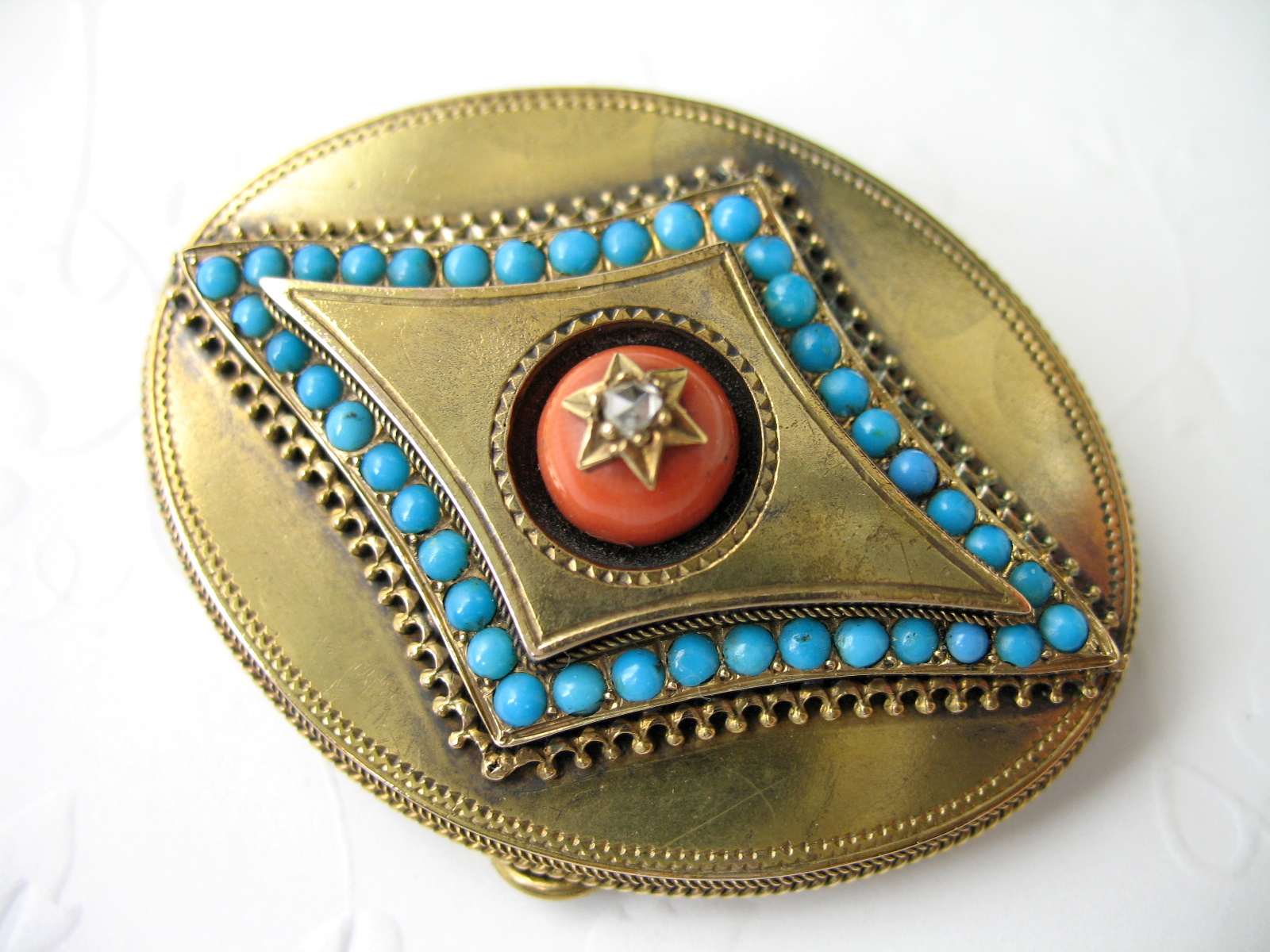

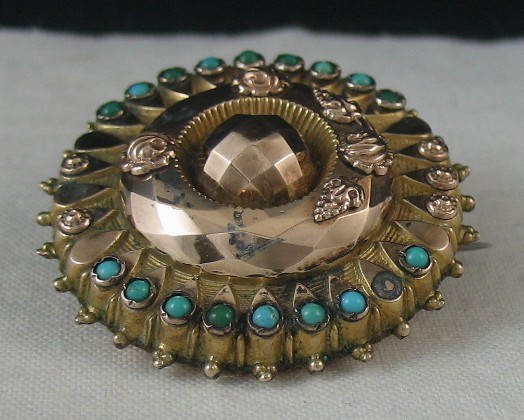
I just bought this antique mourning brooch it is the first one pictured. I am so surprised to find that this hair receiver actually has the real plaited hair. It is so finely done that I did not realize that is hair under the glass! I have other mourning brooches and hair lockets but this one is so finely done.
I found these other examples of similar design and this description as follows found on the internet: An antique Victorian pinchbeck or gold colored metal mourning brooch, mounted with natural Turquoise cabochons and with a glass fronted locket compartment to the rear containing plaited hair, and dating to around c.1880.
The brooch is circular in form with a beaded edge, a teardrop border mounted with natural Turquoise cabochons & gilt roundel appliques, and a central faceted boss mounted with flower head & grape gilt appliques. The rear of the brooch has a glass fronted compartment or locket containing very finely plaited dark brown hair. The brooch has a hinged pin & C clasp fixing.’
Notes; Loose, braided, tied lovingly in silk ribbons; hair was memorialized especially by the Victorians. Often, hair would be encased within a glass or woven with metallic threads, paired with a metal setting to be worn as mourning jewelry, a memento of a friend or loved one. Hairwork, an art still practiced today by the Victorian Hairwork Society, was a popular needlework method, often resulting in 2-dimensional mourning wreaths and graveyard scenes, worked in hair on a fabric ground. Wool, because of its ability to wick moisture and resist flame, was commonly used in Western textiles throughout history, and might present itself in the form of bed linens, clothing, and needlework
The Oakland Museum of California (OMCA) has just released photos and a detailed description of the Gold Rush-era quartz and gold jewelry box stolen from its permanent collection on January 9, 2013. 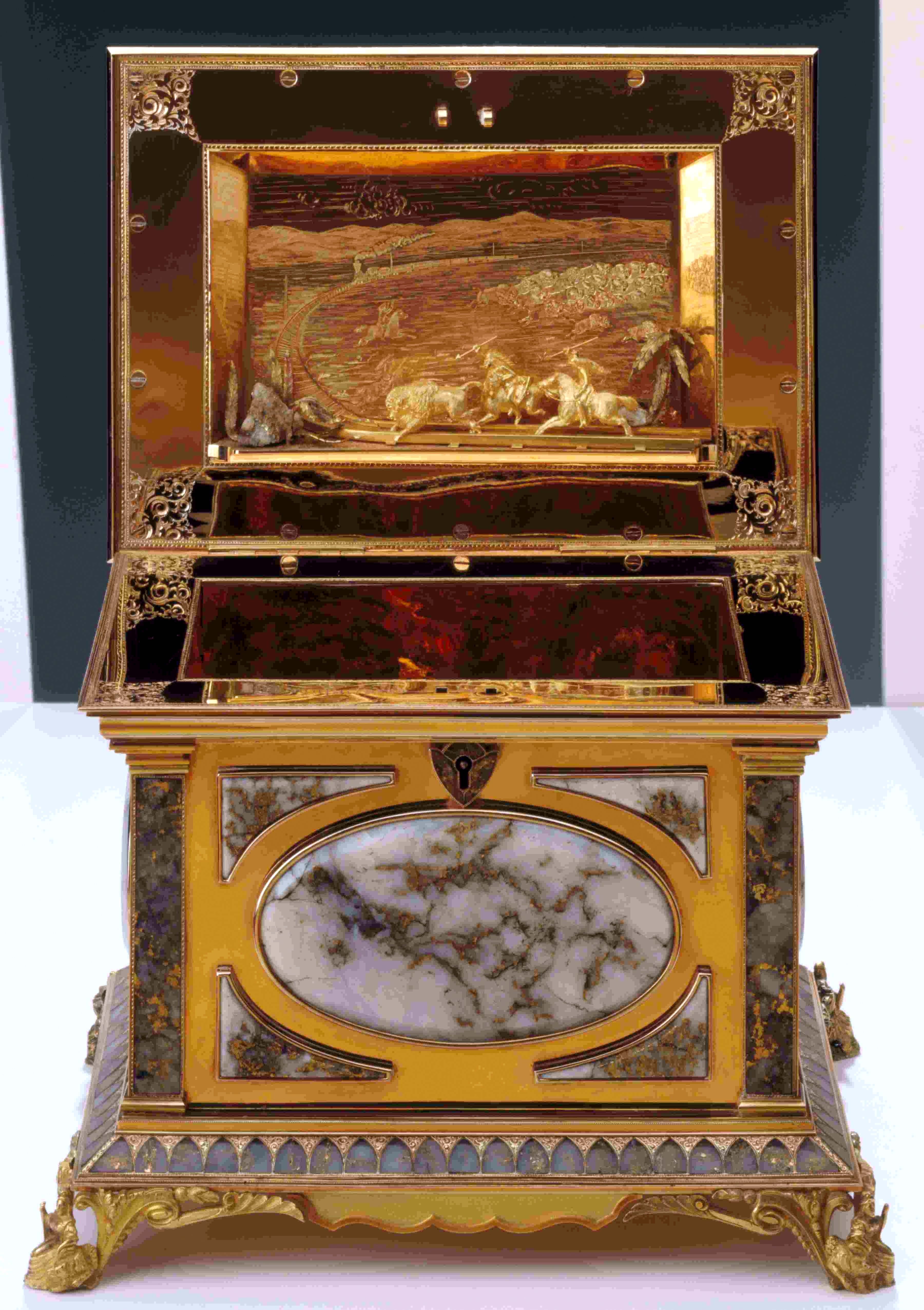 The jewelry box, was made between 1869 and 1878 by A. Andrews, a San Francisco goldsmith, and is signed. The artifact features a rectangular moulded top and base that rests on four feet formed of four miniature female figures depicting allegorical California. It is seven inches in height; nine inches on length; and seven inches in depth. The top pilasters and mouldings are of veined gold quartz in tones of grey and cream with veining of gold. The interior of the top is recessed and engraved in full relief with scene of the early days of the Union and Central Pacific Railroads, mounted Native Americans, herds of buffalo, and a train of cars. The gold quartz is cut and set in mosaic fashion in the top of the lid, exterior and the sides are gold veined quartz. (Read ARThound’s 1.9.2013 coverage here.)
Reward: A reward of $12,000 is offered for the safe recovery of the stolen artifact.
Happy to report the jewelry box was recovered!! 🙂

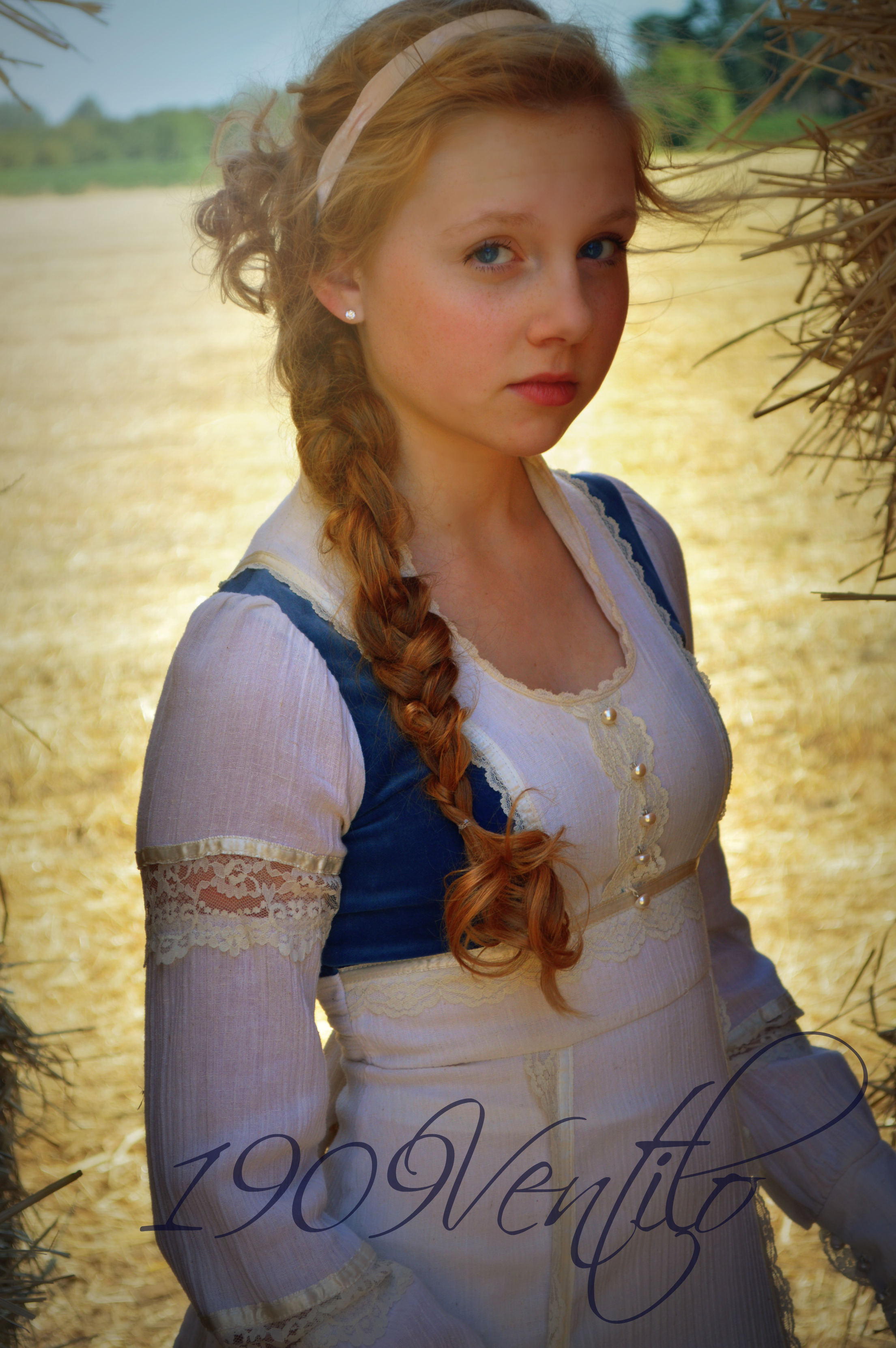
Source http://blog.fidmmuseum.org/museum/
The name Gunne Sax was derived from the burlap or ‘gunny sack’ trim used on many of the earlier dresses.
http://www.typepad.com/services/trackback/6a01156f47abbe970c0168e6e8ddeb970c

I bought this old worn vintage dress today, reminds me of Cinderella when the mice and birds help make her dress!
“A Dream is a Wish Your Heart Makes” Hope you are having a good day! xoxo
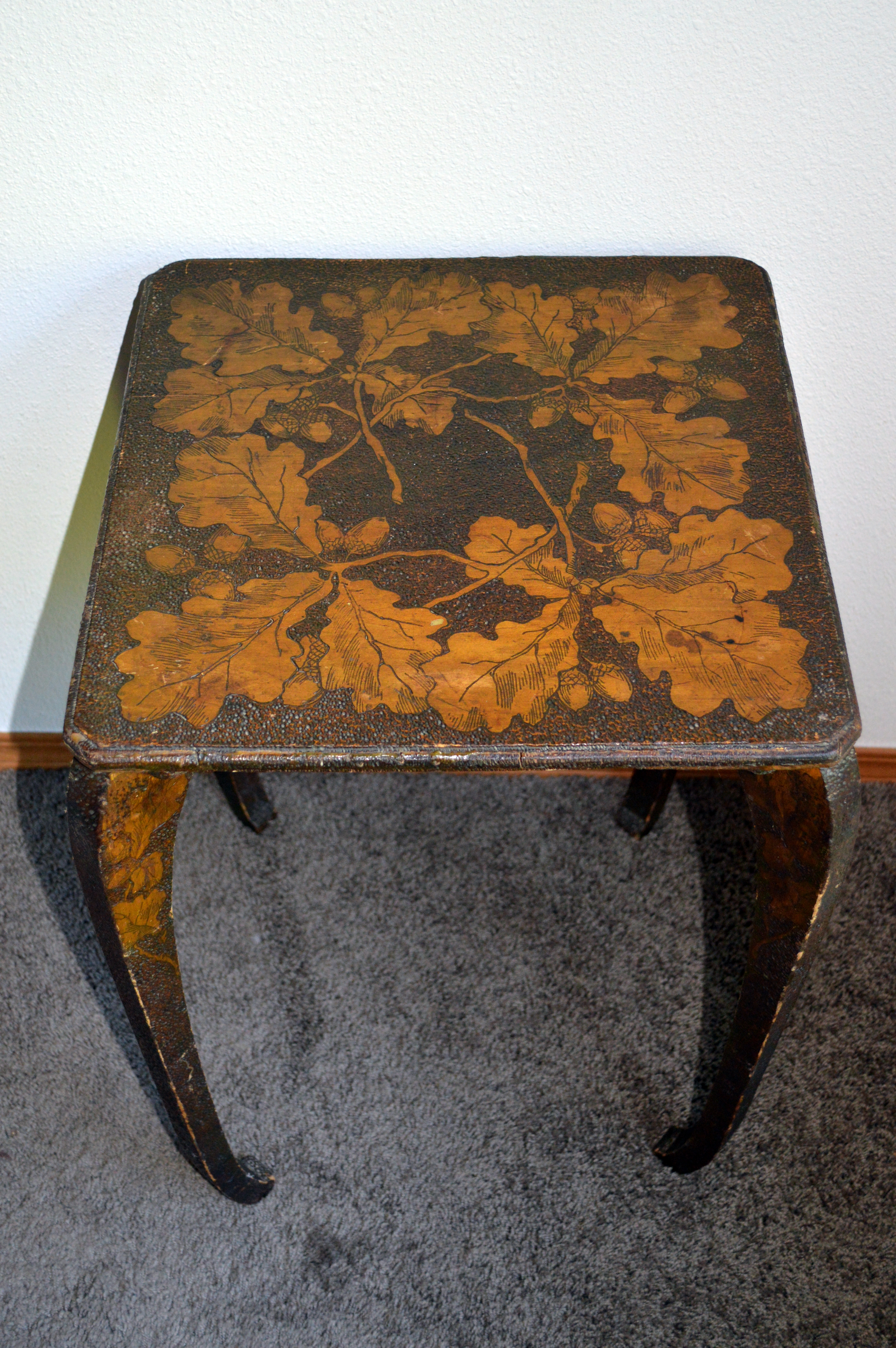
Writing with Fire
Pyrography is derived from the Greek words pur (meaning fire) and graphos (meaning writing). People have probably “written with fire” since fire was discovered. Cavemen may well have used charred sticks to draw on the walls of their caves! However no examples survive for us to see. In early times pyrography, as today, was principally used for the decoration of artifacts, examples of which are likely to have been lost, principally as it was classified as a folk art rather than paintings and sculptures. Dried gourds used as domestic vessels are one of the most widespread artefacts that are decorated with pyrographic techniques and this spreads the net of possible areas where it would have been common practice to all tropical and sub-tropical and many temperate parts of the world.
According to Kathleen Menendez of the E-Museum of Pyrographic Art the earliest surviving example of pyrography is in fact a “container” decorated with flowers and hummingbirds found in Peru (actually pictured on http://carverscompanion.com/Ezine/Vol2Issue1) which seems to be one of the main birthplaces of pyrography. This has been dated to before 700 AD. However Patricia Arnold (www.suite101.com) claims the earliest surviving example of wood burning found was a Roman caudex that dates back to the occupation of Britain in the 1st to 4th centuries. However it is thought that pyrography was practised in Peru 3000 years ago. In Europe, Asia, Australia and America pyrography was used to decorate artifacts such musical instruments and kitchenware. In Europe the use of pyrography is thought to have appeared in the medieval and renaissance periods. The Great Masters were thought to have used pyrography to decorate wainscots, although this has not been substantiated.
In Victorian times it became more popular, being accepted as an art form called pokerwork. This because they would have used a charcoal stove with holes all the way round into which pokers of various sizes and shapes were heated. A constant temperature had to be maintained and heat control was letting the poker cool down! Courses in pyrography were available, as now (see advert below). The standard of some of the work done at this time was remarkably high considering such crude tools were used.
Later Victorians also used more sophisticated tools such as the blow pipe Vulcan Wood Etching Machine below, and similar benzine fuelled devices. Ladies magazines took up this new craft with some fervour.
Table photographed I found at a yardsale today! thanks for reading my blog xoxo
 I love most things old! I grew up digging in dumps with my grandma. She was quite the collector! In every room of her modest home she had a different theme of glass. She mostly collected bottles, the really old ones and insulators she was really knowledgeable about them.
I find learning about Antiques very intriguing and inspiring. I originally started my blog just for myself, a place I could store all the articles I was interested in. I love hearing about prices realized, what sold at auction. Knowing what people will pay for a collectible or antique is a wonderful asset no one can take from you.
Hope you are having a good day! xoxo these are my images thanks for asking! 🙂

If you’re not sure if an item is valuable or you’re having trouble telling whether it’s a rare gem or a reproduction log on the community forum chat at OnlineAuction.com we have so many helpful sellers! http://www.onlineauction.com/
*Collecting is like a treasure hunt!!! 🙂

"The powers of the mind are memory and imagination: without memory, we have no past; without imagination, no future."
J Bardens


Learning to live authentically in a world that expects perfection
A gaggle of musings and meanderings
Peterborough and Douro Ontario Portrait Photographer
Old World Charm Meets Modern Comforts. Come and Experience the Beauty and History of the Keweenaw.
155a Northcote Road London SW11 6QB Tel 020 7228 6850
... Making Broken Beautiful
393 bushwick ave Brooklyn NY SELLING ON INSTAGRAM @reuseamericany . Open Wednesdays - Sundays 12-5pm We Buy Furniture Every Day +1 (305) 984-1051
Tips and tricks for all your automotive troubles
The Universe is Made of Stories, not Atoms
sharing vulnerability and wearing clothes
DA2697
Just a couple guys running a small farm in the Cascades.
Express yourself. It is later than you think.
A pretty place for personal style, cooking, DIY, and home inspiration.
Designing delightful reading experiences, both innovative and traditional.
Sharing my creative journey...
"People buy tickets to theatres, not movies." -- Marcus Loew
the intersection of graphic design + picture books
Having fun Hunting for vintage treasures!
Creating a beautiful life, one stitch at a time
Unique Destinations, Weird History and More…
I'm K Murphy. I design.
Where Vintage Designer Fashion Meets the Runway
Reflections of a Female Seminary Graduate
Updates, Fashion Finds, News about Nelda's and things we love.
Fine vintage clothing and accessories from 1920s - 1980s
I love my vintage everything!
All your friends are here!
Blogging about Costume Jewelry, Gemstones, Clothing, Shoes, and Accessories
Inspired vintage for you and your home.

 1909ventilo's Blog