 Save the world buy Vintage! Saw this chalk board with this saying, love it! These awesome items are from Coburg Oregon street faire. I met a dealer there Nanci she sells one of a kind items, she’s my new friend!
Save the world buy Vintage! Saw this chalk board with this saying, love it! These awesome items are from Coburg Oregon street faire. I met a dealer there Nanci she sells one of a kind items, she’s my new friend!
Researching these original political cartoons published by Heath, William, 1833 London Tho. McLean, 26 Haymarket, I saw similar ones listed at Metropolitan Museum of Modern Art, and Yale. I am having difficulties understanding the values and I am wondering would the shop owners hang them in the window? These are original and very old, found in an old trunk. Please comment if you have something you can share, British Caricaturists hangings. 


I Found these ambrotypes in an old metal box, fascinated I had to research; this is what I found so far. Rare a soldier holding his pistol and looks to be union uniforms. I am not an expert by any means in civil war era military memorabilia. I find it interesting Isaac Newton Taylor is so handsome! I am curious about the three brothers; did they all live through the war? The gold pocket watch is from the Taylor family, and on the old metal box it says “old pictures of I.N Taylor my grandfather.” Finding this biographical memoir is so awesome!!
“NATIONAL ACADEMY BIOGRAPHICAL MEMOIRS VOL. XXV
descent seems to have been through Isaac, Andrew I, Andrew II,
Jonathan, Andrew D., and Isaac Newton.
At the approach of the Civil War the Taylor family, like
many another in the border states became sharply divided, some
joining the Confederacy, others remaining loyal to the Union.
Andrew D. Taylor, C. V.’s grandfather, was among the latter,
and his three sons, of whom Isaac Newton was the oldest, all
joined the Northern Army. While the boys were away in the
service, armed men stopped one night at the family home, called
the elder Taylor to the door and shot him in cold blood. The
sons remained unaware of their father’s death for a number of
months thereafter.
Isaac Newton Taylor first joined Company B, Fourth Tennessee
Volunteer Infantry, but later, apparently with full knowledge
of the colonels of both units, he transferred to Company L,
First Tennessee Volunteers, in which he served from December
26, 1862 to May 31, 1865. On June 25, following his discharge
from the army, I. N. Taylor married Christina Bashor, daughter
of Henry and Elizabeth (Bowmann) Bashor, well-to-do mill
owners of German descent who, like himself, lived near Johnson
City, Tennessee. The young couple first lived in a cabin built
by the bridegroom, but in 1869 they moved to Missouri and
purchased a farm near Whitesville in Andrew County.
From this time on conditions were difficult. Mr. Taylor, now
somewhat handicapped physically, was unable to make his farm
realize the income it might have yielded, and the family entered
upon a period when resources were indeed meager. In 1873,
because of disabilities incurred in service, Taylor was granted
a pension of $24.00 a month, an appreciable amount for those
days. But by 1876 the Pension Bureau had disallowed this
pension on the ground that there was no official record of his
discharge from the infantry company and, although serving in
the cavalry, he was in effect a deserter from the infantry when
his disability was incurred. Aside from the heavy financial loss,
there seemed to have been a point of honor involved, and over
a period of years much effort was devoted to getting the matter
clarified. On March 20, 1884, an official certificate of honorable
service and discharge were issued.”
BIOGRAPHICAL MEMOIR
OF CHARLES VINCENT TAYLOR
1885-1946
BY C. H. DANFORTH
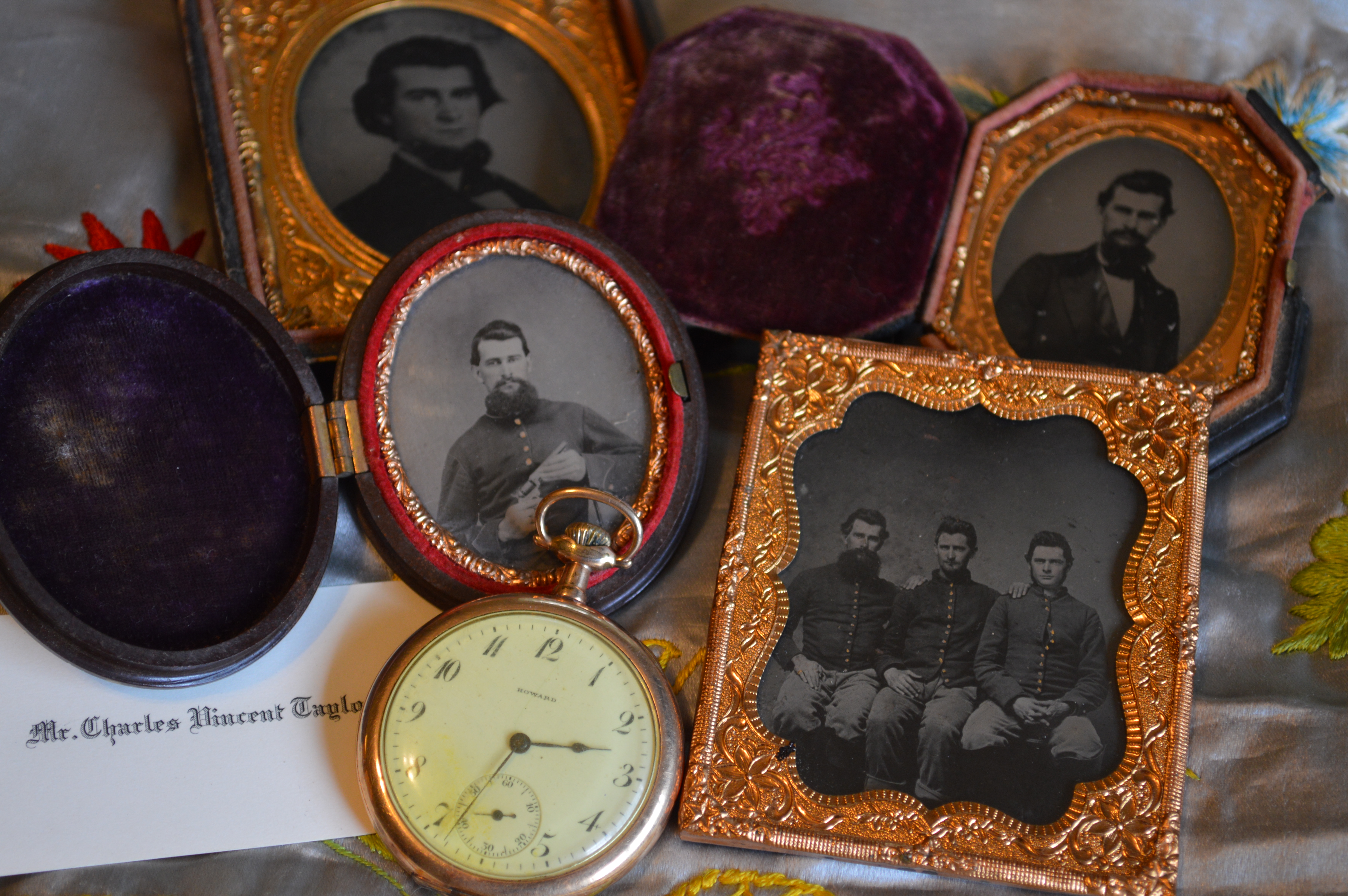
*Notes
“Tintype: an Early image on a thin iron plate resembling tin. By far the most common of the three for sports subjects.
Daguerreotype: Early mage on a silver-coated copper plate. The rarest and most valuable for sports subjects.
Ambrotype: an Early image on a transparent glass plate with a black backing. Rare for sports subjects.” by David Rudd Cycleback
More information about Charles Vincent Taylor. In 1925 Taylor was appointed to the staff of the biology department at Stanford University and quickly advanced to full professor. In 1930 he received a particularly attractive offer from the University of Michigan but decided that biology had a more promising future at Stanford. 2830904259.html”>http://www.encyclopedia.com/doc/1G2-2830904259.html

The Old Talbott Tavern
Historical Tavern Since 1779
The Talbott Tavern has been nationally recognized for its significant place in American History.

I found this really cool plate at the thrift so I had to research it, I will need to go here myself because I am totally intrigued!!
“This tavern has been continuously operated since it was built (except the time necessary to repair fire damage) in the same building and at the same location.
Since the late 1700s, the Old Talbott Tavern on Court Square has provided shelter, food and drink to American travelers. It has been a silent witness to a stunning array of historical personages and events right out of the pages of American history.
Figures straight from the history books sought food and shelter here during their travels; as a young boy Abraham Lincoln and his family stayed here, Gen. George Rogers Clark, Daniel Boone, and exiled French King Louis Phillipe and his entourage stayed here, even painting murals on the upstairs walls. There are noticeable bullet holes in the now faded paintings where it is legend Jesse James shot them.
We are the world’s oldest Bourbon Bar. Such figures as T.R. Beam, Jim’s brother, owned and operated the Talbott Tavern at one time. T.R. later sold it to Tom Moore, distiller (now Tom Moore Distillery), who also owned and operated the Talbott Tavern.
In the dining room our kitchen staff has developed some new delicious and exciting tastes to our traditional foods. A regional specialty, the Kentucky Hot Brown, which our former chef, Ernie Geralds, stated he worked at the Brown Hotel during the creation of the dish and perfected it at the Talbott Tavern.
As all taverns, we still offer food, lodging and event management for larger groups.” http://www.talbotts.com/index.php/history-of-the-tavern/

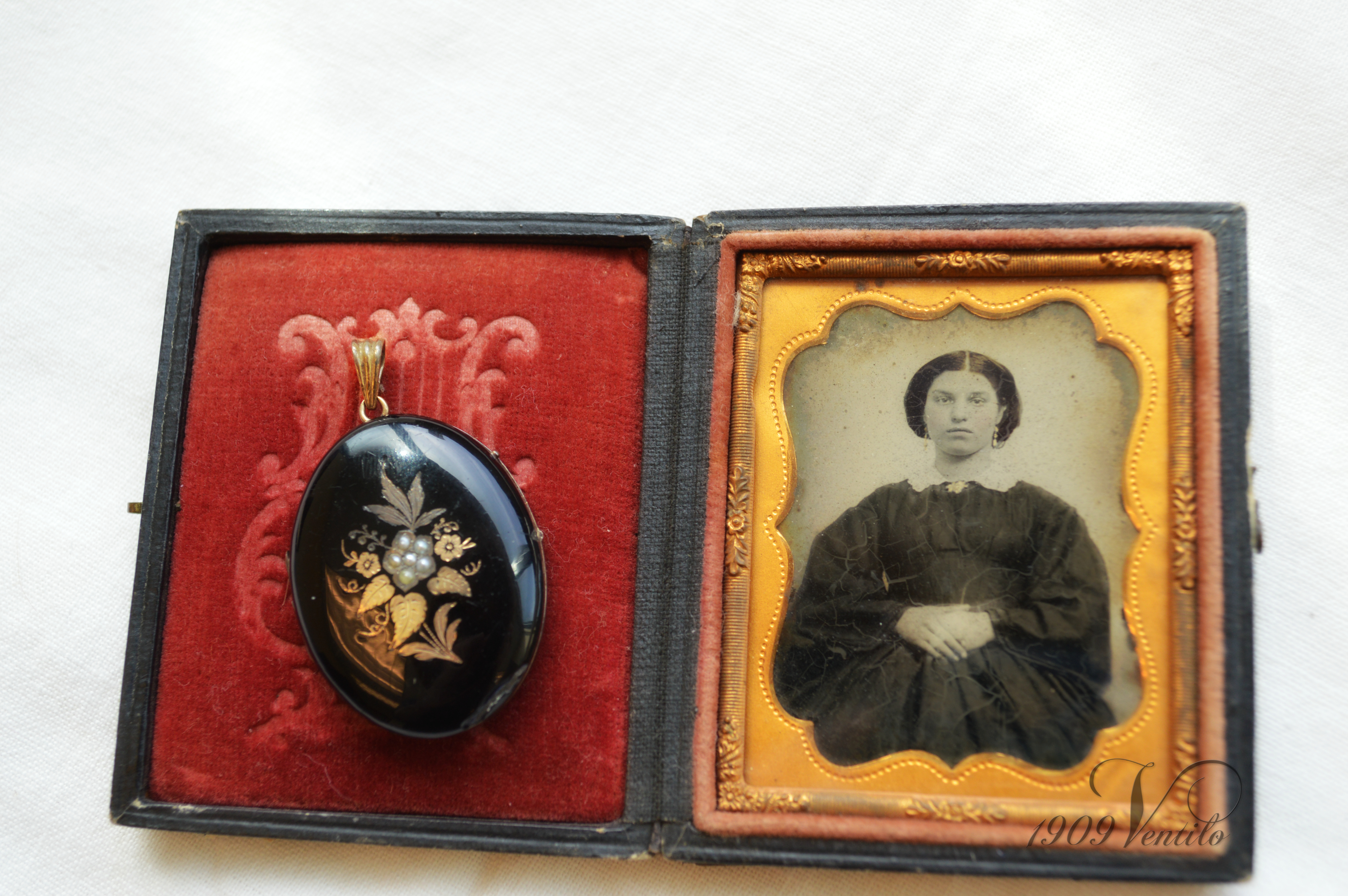 Back to work! Photographing this amazing 1870’s Mourning Locket inside on glass is a photo of handsome man, and a lock of hair, the Daguerreotype of is of young woman. Thought I’d share thanks for reading my blog!
 Some journals I found buried in a hope chest. Love this quote!
“Discovery is exciting, precisely what keeps people hunting through moldy cellars, dusty attics and decaying barns, yard sales and crack-of-dawn flea markets. Collecting’s a disease, one that can be highly contagious, a fever that grips you …” Gary Sanderson
http://www.tavernfare.com/?cat=5
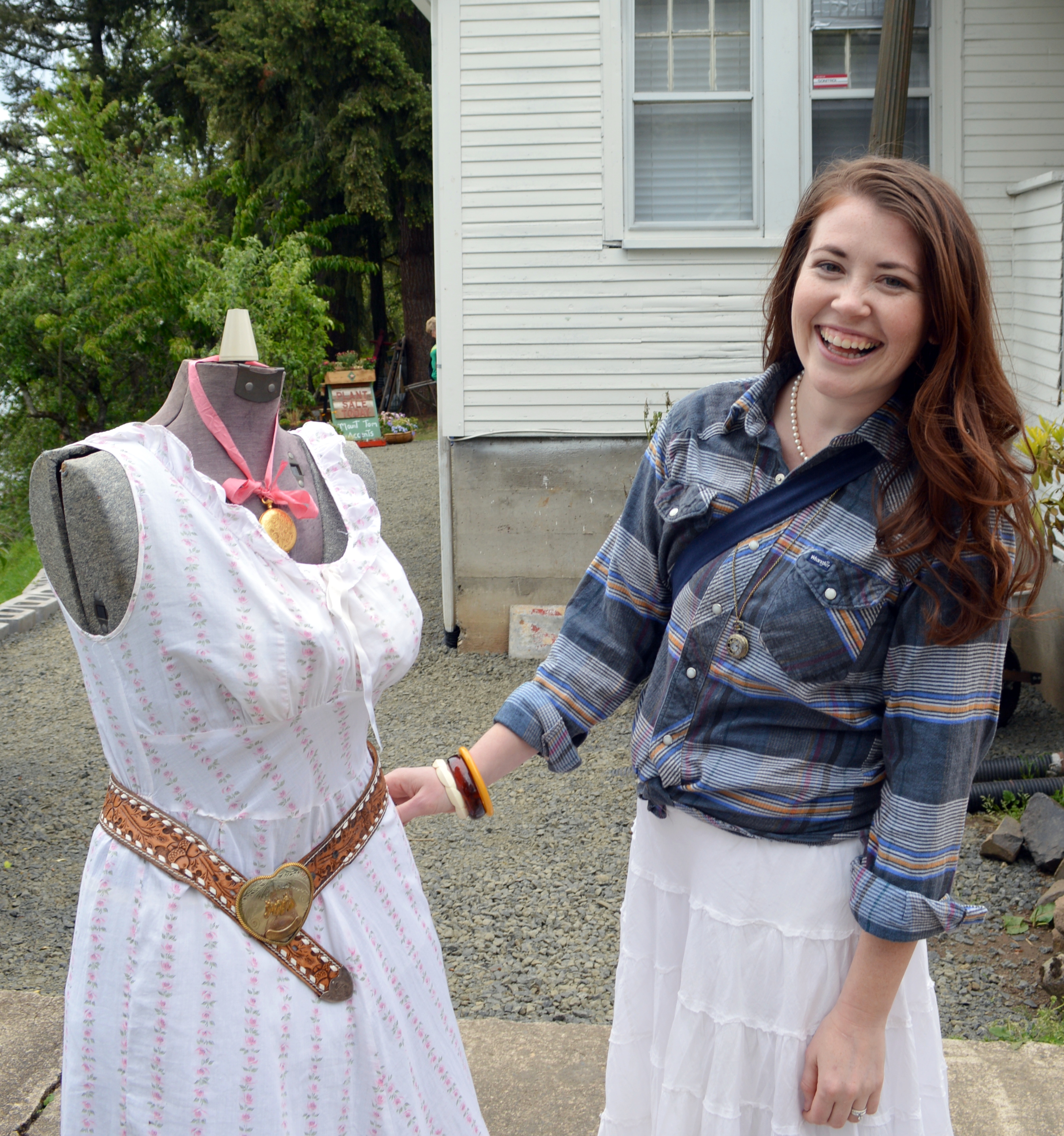
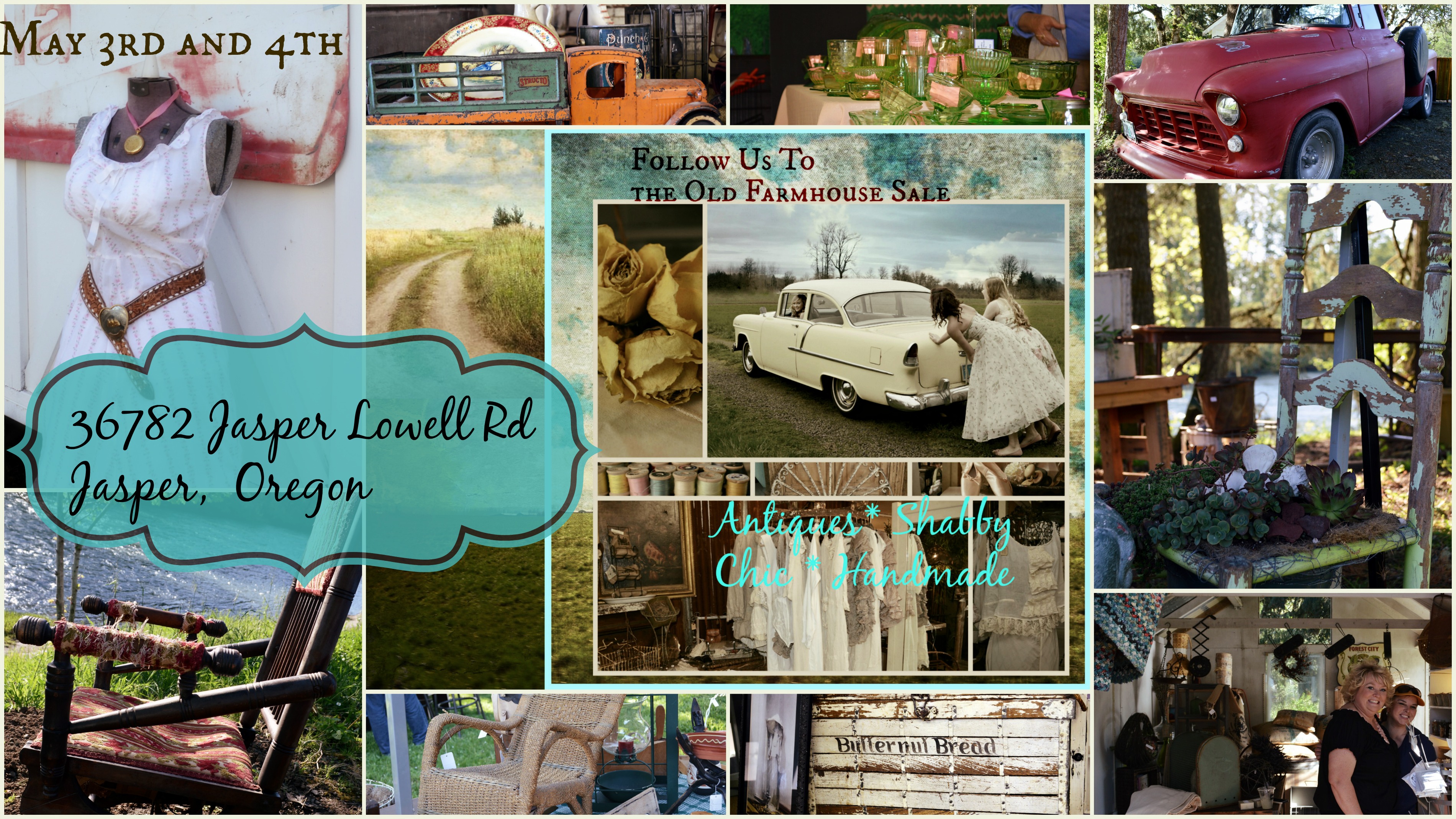 We had a great time out at the farm sale!! PICTURES OF THE MAY 2014 FARMHOUSE SALE WILL BE POSTED SOON… HERE IS A SNEAK PEAK OF OUR FABULOUS & FUN WEEKEND. http://www.indulge1461.com/may-3–4th-farmhouse-sale.html

Spring is just so lovely at my house!! xoxo
This Weekend! 36782 Jasper Lowell Road
Jasper, Oregon 97438 http://www.indulge1461.com/may-3–4th-farmhouse-sale.html
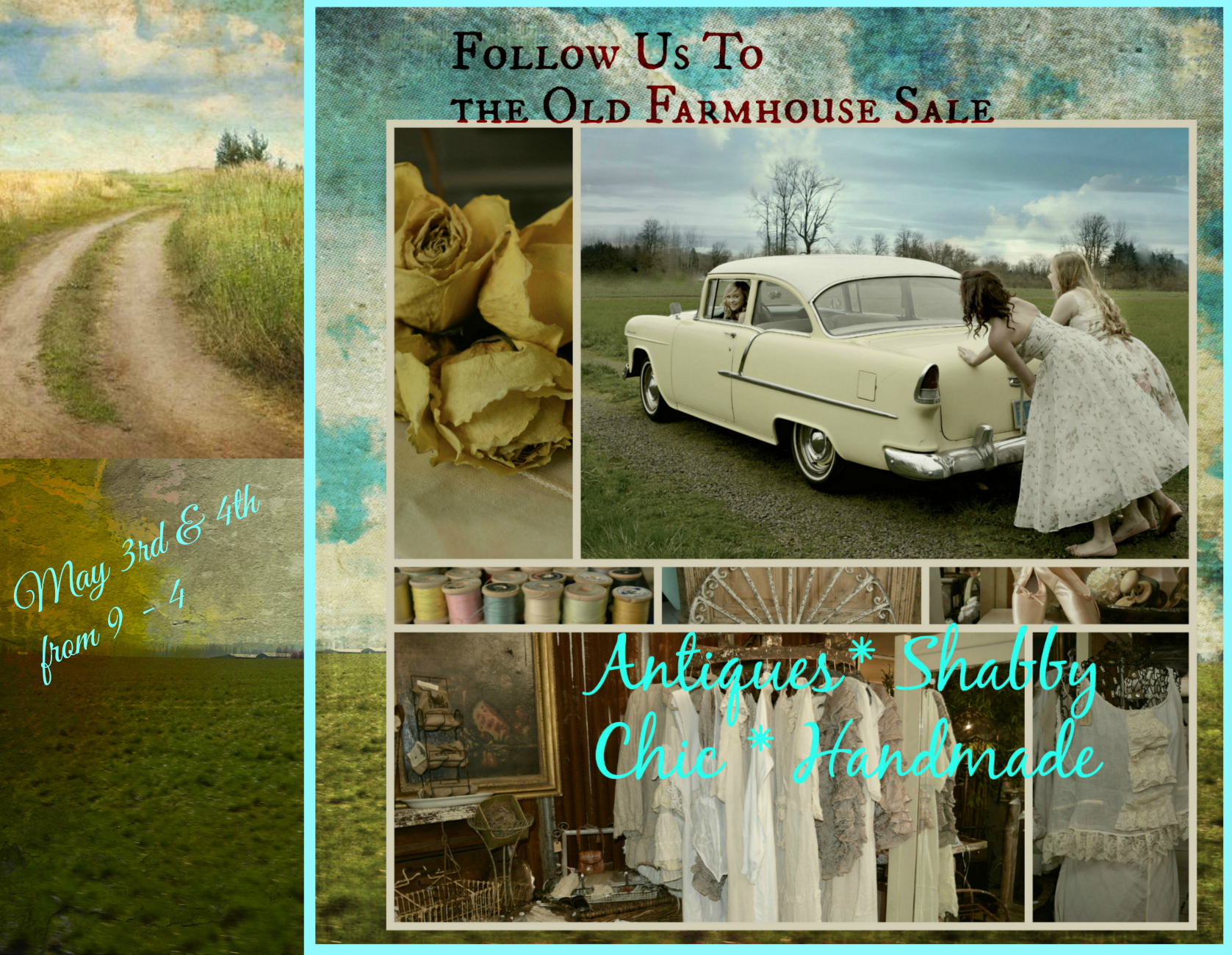
Surprise…this May 3rd & 4th from 9 – 4 we will have our annual farm sale. This year you are a personal guest at our farmhouse on the river…250 feet of pristine river frontage to
Shop – Eat – Relax.
Just on the skirt of town. We have had so many vendors sign up we are also going to expand to the Jasper Grange directly across the road… Yes where our espresso drive thru is…this will be a great sunny fun day, on the river, food, and lots of vendors. (we have like a couple spots left since we expanded to the grange so be swift before we can’t accommodate you, thanks.
Admission is free.
36782 Jasper Lowell Road
Jasper, Oregon 97438
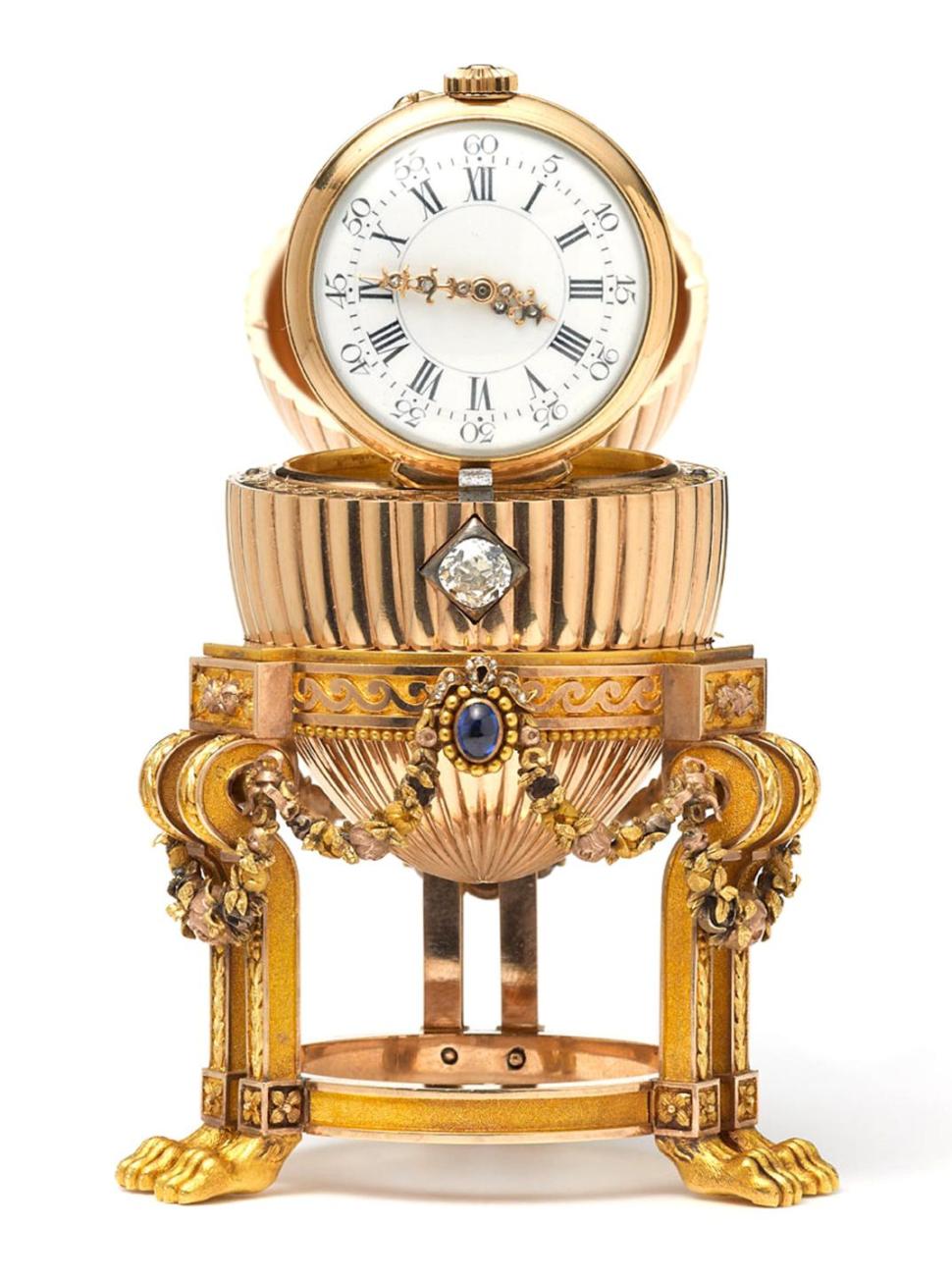 One man’s trash turned out to be Russia’s priceless treasure.
A scrap metal dealer from the Midwest had no idea that the tiny golden egg he was planning to melt down was actually a $33 million relic from the court of imperial Russia.
The unidentified man unknowingly hit the jackpot when he purchased the 3.2-inch egg at a junk market for a mere $14,000.
He jumped on the deal because he thought the egg was pretty little trinket. The egg stands on an elaborate gold pedestal, supported by lion paw feet. Three sapphires are embedded in the gold and when the man pushed the center diamond, the egg popped open to reveal a Vacheron Constantin watch.
The egg’s creator, royal jeweler Peter Carl Faberge, was known for designing these types of surprises. The former tsars and tsarinas of Russia had no need for more gold — what they wanted was craftsmanship. Tsar Alexander III asked Faberge to make one egg a year until his son, the next Tsar Nicholas II, ordered him to make two a year — one for his wife and one for his mother.
The eggs were created in the greatest secrecy, CNN reports. The royals’ only demand was that the eggs contain a surprise.
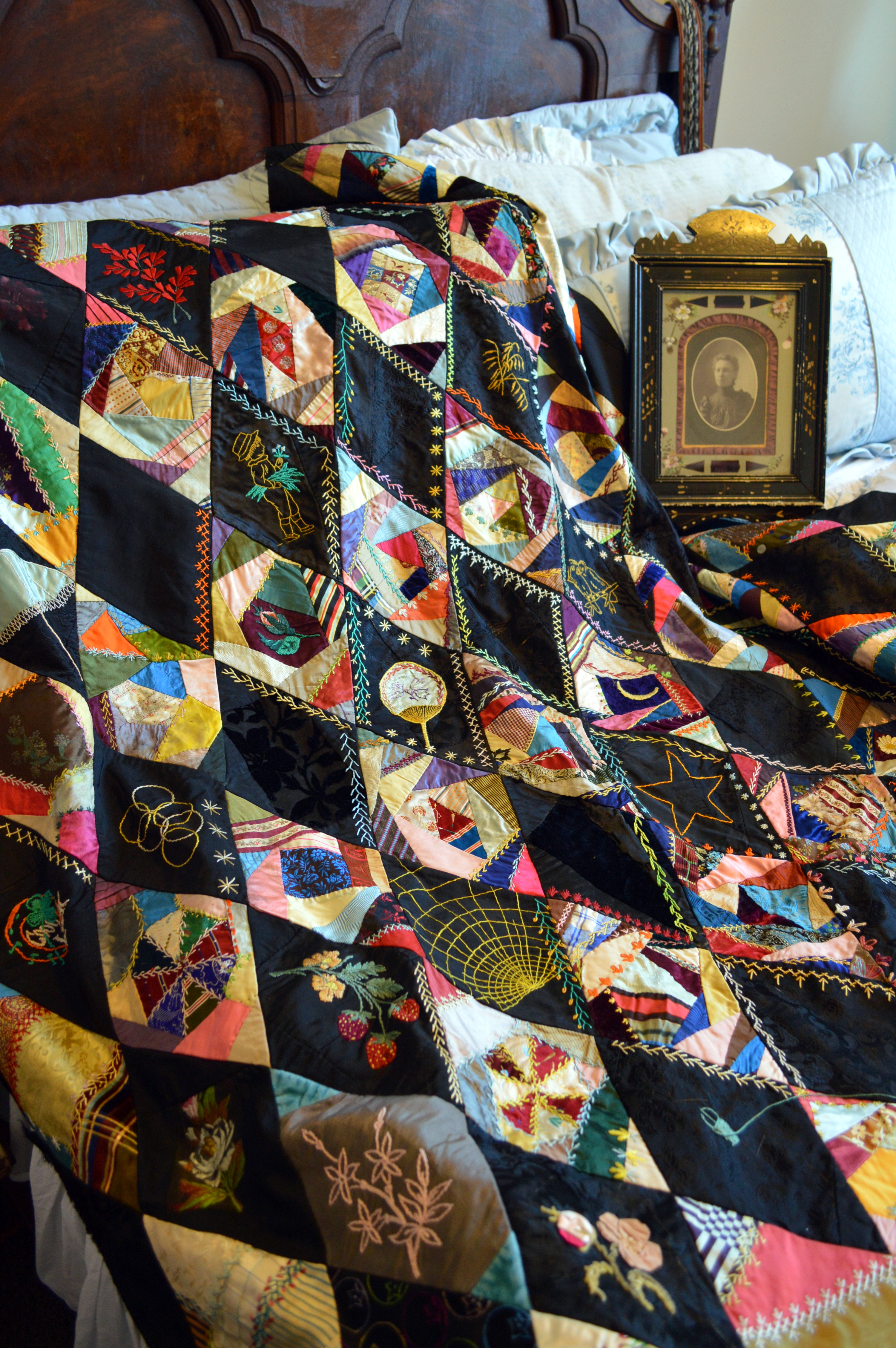 I found this old Victorian Crazy Quilt I bought years ago in the garage. This is my research thus far.
Dated May 16, 1888
*This gorgeous example embodies the best of what emerged from this magnificent era of over-the-top quilts; dense embroidery of every imaginable size, shape and design covers the high quality and rich variety of silks and silk velvets produced in the 1880’s before the onset of large scale manufacturing of more affordable silks for the masses starting in the early 1890’s.
“The heyday of Victorian Crazy quilting was circa 1885. However, these quilts were made from 1880 until the late 1890’s. Any Crazy quilt containing a date prior to 1879, would most likely indicate a special date from the family’s history.
During the height of the Victorian era, homes could not have enough embellishment. Women wholeheartedly threw themselves into decorating every inch of the floors, walls and furniture. The culture of the times was full of symbolism, poetry and romance. Crazy quilting allowed women to display their artistic abilities in needlework, oil painting, and arrangement of embellishments. Silks, silk velvets and chenille, and threads of every hue were used to incorporate names, dates, pictures, and a wide assortment of symbols.
Antique Crazy quilts are judged by design, graphics, level of embellishment and overall condition. We have antique quilts truly astonishing in their level of needlework and graphic impact, and as always, guaranteed to be the very highest quality.”
http://www.rockymountainquilts.com/files/antique_quilts_crazy.php
If you too are curious of the saying “Forget-me-not”.
“Forget-me-not, O Lord!” is what a poor German knight shouted as he fell into a river. He and his lady were picking flowers by the side of the river at the time, no doubt enjoying the beautiful day around them, and yet as fate would have it, the knight’s armour dragged him down to the bottom as he fell in. Upon his cries to the Lord, he threw the blue posy of flowers to his loved one and promptly drowned. This little tale reportedly dates to around the 15th century, but no doubt had different permeations along the way, as romantic stories often do. Hence, the concept of remembrance, eternal love and faithfulness grow from this.” – : http://artofmourning.com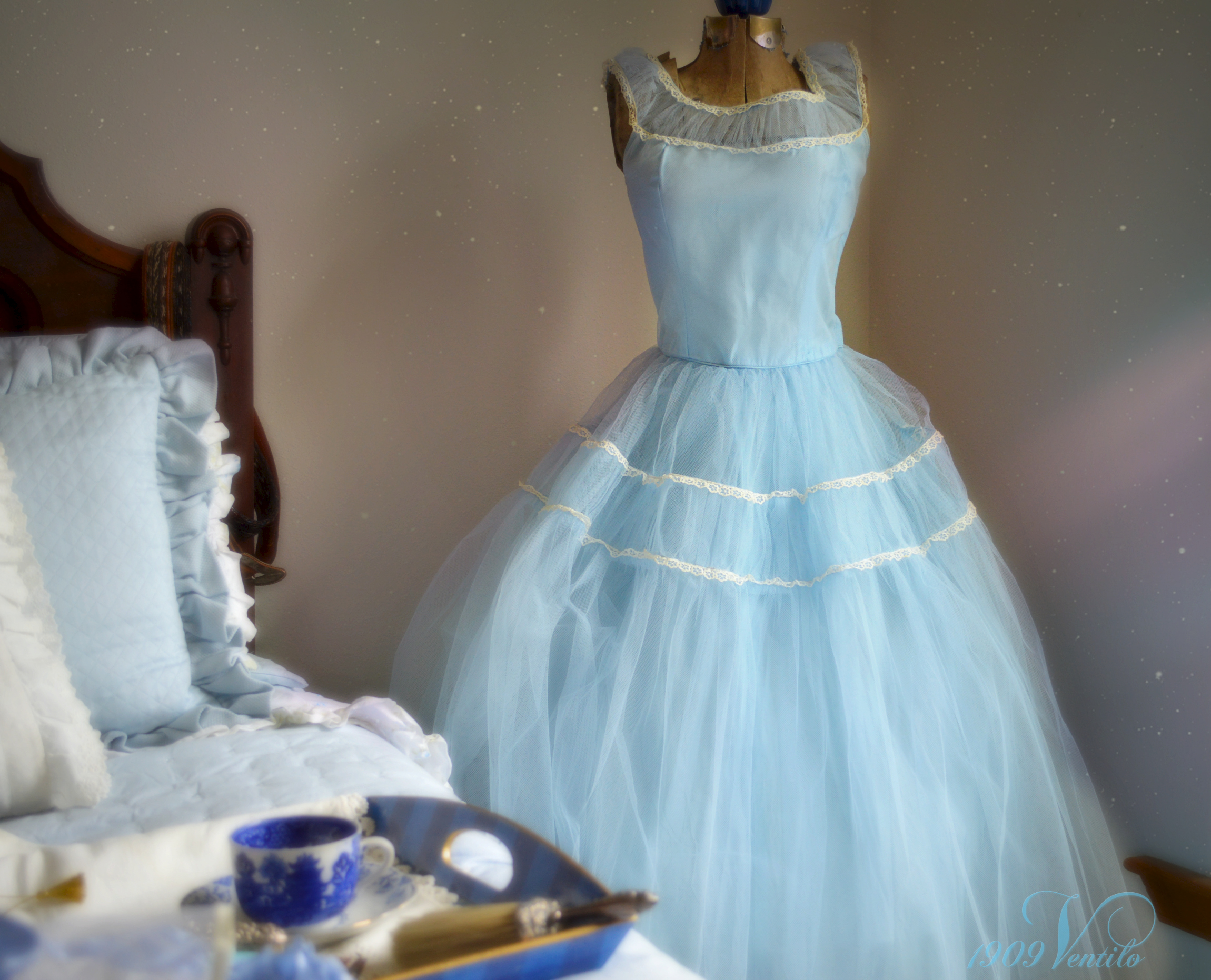
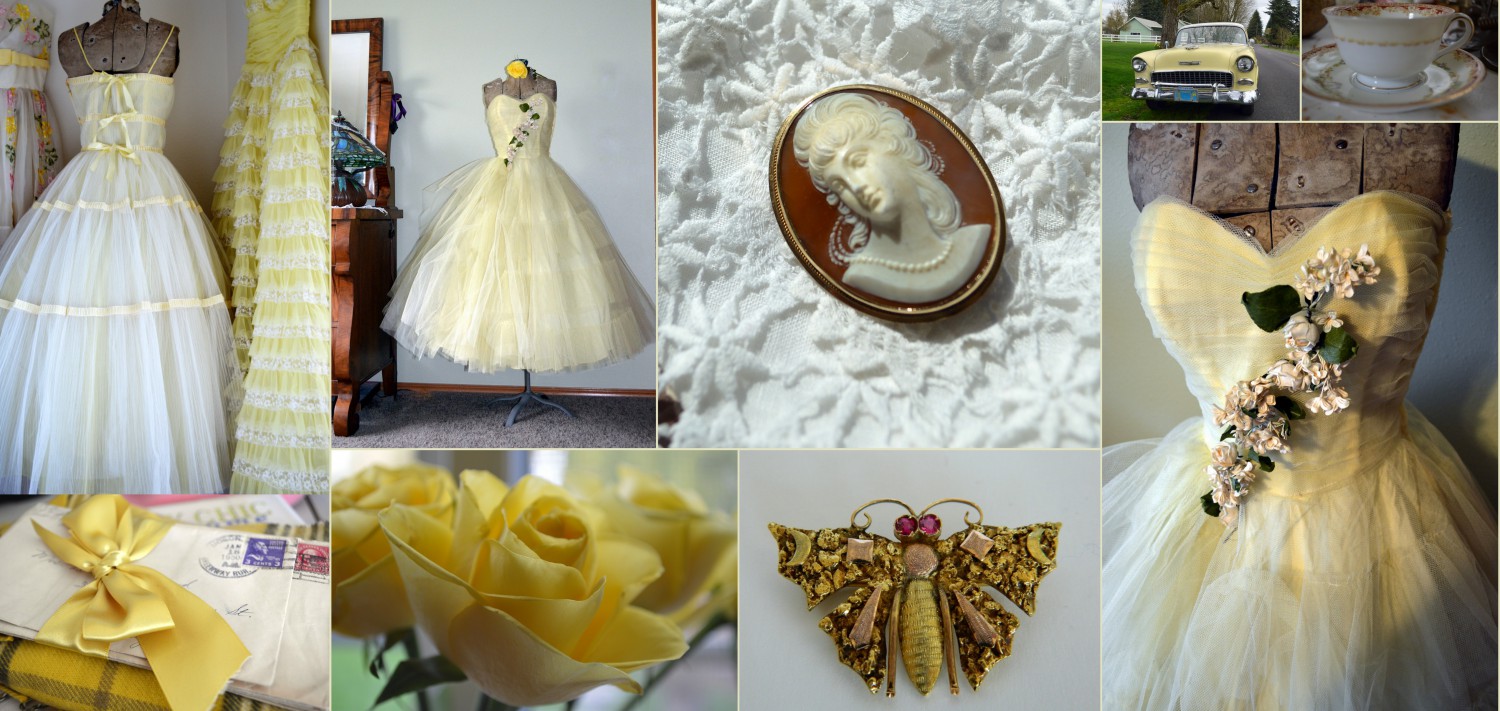
#1950sBlueProm #1909Ventilo
I just bought this lovely cameo on OnlineAuction.com I had a few questions about it, I found this most helpful article! 🙂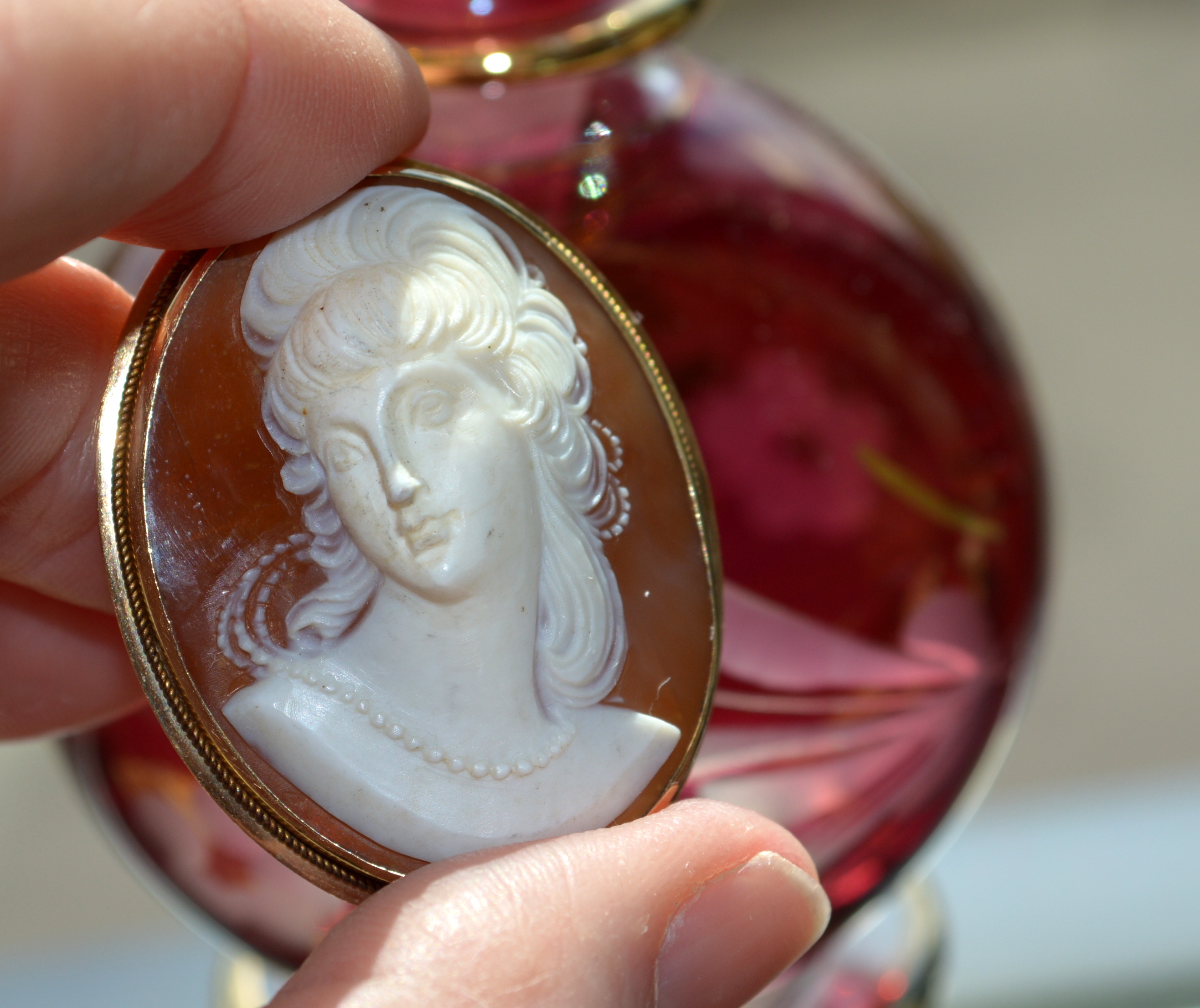
“The majority of cameos face right so if you find a left facing cameo, it is considered more unusual. A cameo’s lines should be clear and well executed. The term high relief is used to describe cameos that are very deeply carved and have significant depth. If the cameo features a full figure, check to see if there is significant detail in the feet and hands indicating excellent carving work.
Cameos were very popular in the Victorian era (which lasted from 1837 until 1901), through the early 1950s with many pieces being classified as mourning jewelry. A cameo habille means a dressed cameo so these have little stones, sometimes diamonds, embedded in places like the figure’s hair or strung on a chain around the ladies neck.
The features of the cameos have changed over the years. There is a saying ‘The Nose Knows’ that’s applicable here because we can date some cameos of women based on the shape of the nose. Long aquiline noses were the main stay until the 1940s and up turned noses were gradually phased in and replaced them. Cameos portraying buxom women with thicker necks were the fashion through the Victorian era and first third of the 20th century, while the newer ones reflect more elongated, narrow necks on slimmer ladies. Cameos with flowers adorning a woman’s dress were popular during the 1920s and through the 1950s. Not all cameos are simply busts of women. Male cameo heads were also carved mostly in the Victorian era. Scenic cameos such as ones with biblical scenes were a frequent Victorian theme and can feature dragons, gods and goddesses, chariots, etc. Many of these are highly prized and rare today. If you like scenic antique pieces, the most popular late 1800s scenic cameo was Rebecca at the well featuring usually a tree, a woman and a building with some variations.
Examine the cameo carefully for any tiny chips or excessive wear which results in blurred features. It is a good idea to bring a jeweler’s loupe with you to inspect the piece. You will want to see if a cameo is hand carved or molded plastic since hand carved are more valuable and desirable. Check to see if the piece is cold to the touch and hold it up to the light. You should be able to see through the transparent areas of the hand carved shell. As you do this, look also for any signs of fissures or cracking. As cameos age, they are prone to this. Antique cameos are fragile and some owners gently rub olive oil on their pieces to keep them from becoming brittle.
You will also find antique cameos made out of different materials such as lava, gutta, percha, and angel skin coral shell as well as abalone, onyx, old plastics such as vulcanite and Bakelite and celluloid. There are lovely ones to fit most budgets and tastes but please be aware, collecting cameos can be habit forming!” http://www.streetdirectory.com/etoday/vintage-and-antique-rings-ecplwe.html
 Know your measurements.
“Vintage sizing is different than modern sizing, so you can’t trust tags,” explains Jennifer Mae Harris, showroom director of Amarcord Vintage Fashion. “A size 12 in 1965 could easily be a 2 or 4 by today’s standards. Measure your bust, under-bust, waist, and hips. If you’re going for a dress with sleeves, you should also consider arm circumference.” No. 6 co-owner Karin Bereson notes that there’s another reason not to rely on tags: “You also have no idea how many alterations have been done to a piece in the many decades since the dress was made. It could have been let out, taken in, hemmed, or had any other number of things done to it.”
Don’t be afraid of alterations.
“Tailoring is a big thing that often holds people back,” says No. 6 co-owner Morgan Yakus. “Something might be too big, but if that’s the case, you can take it to your local cleaners and get it tailored. Think about it this way: If you get a less expensive dress, you can put your money towards some simple alterations. You can also get dresses shortened to freshen them up.” Karin adds: “Anything that’s woven is easy to alter. If it’s a knitted ’70s granny dress, that’s harder, but almost anything can be fixed. Even if the waistband is too low, you can get the skirt cut off and move the whole thing up. As long as the fabric isn’t super, super delicate, these aren’t complicated alterations.” You can even alter too-snug dresses, emphasizes Jennifer: “Check the interior seams. If there is a half-inch or more of excess fabric on either side of the seam, a tailor could likely let it out for you.” http://www.teenvogue.com/prom/dresses/2013-04/vintage-shopping-tips
I sell vintage prom on Ola.com thanks for reading my blog!

"The powers of the mind are memory and imagination: without memory, we have no past; without imagination, no future."
J Bardens


Learning to live authentically in a world that expects perfection
A gaggle of musings and meanderings
Peterborough and Douro Ontario Portrait Photographer
Old World Charm Meets Modern Comforts. Come and Experience the Beauty and History of the Keweenaw.
155a Northcote Road London SW11 6QB Tel 020 7228 6850
... Making Broken Beautiful
393 bushwick ave Brooklyn NY SELLING ON INSTAGRAM @reuseamericany . Open Wednesdays - Sundays 12-5pm We Buy Furniture Every Day +1 (305) 984-1051
Tips and tricks for all your automotive troubles
The Universe is Made of Stories, not Atoms
sharing vulnerability and wearing clothes
DA2697
Just a couple guys running a small farm in the Cascades.
Express yourself. It is later than you think.
A pretty place for personal style, cooking, DIY, and home inspiration.
Designing delightful reading experiences, both innovative and traditional.
Sharing my creative journey...
"People buy tickets to theatres, not movies." -- Marcus Loew
the intersection of graphic design + picture books
Having fun Hunting for vintage treasures!
Creating a beautiful life, one stitch at a time
Unique Destinations, Weird History and More…
I'm K Murphy. I design.
Where Vintage Designer Fashion Meets the Runway
Reflections of a Female Seminary Graduate
Updates, Fashion Finds, News about Nelda's and things we love.
Fine vintage clothing and accessories from 1920s - 1980s
I love my vintage everything!
All your friends are here!
Blogging about Costume Jewelry, Gemstones, Clothing, Shoes, and Accessories
Inspired vintage for you and your home.

 1909ventilo's Blog